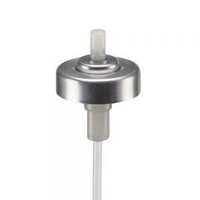
When product safety meets brand trust a thoughtful decision about small components pays off. The Bluefire Aerosol Can Valve appears in conversations among packaging engineers and quality leaders because a valve is where user interaction and product integrity meet. Choosing a well made valve at the start of a program reduces the chance that a campaign will be interrupted by complaints or returned goods and it shields brand reputation when scrutiny intensifies.
Recent attention on supply chain resilience and consumer safety has sharpened buyer focus. Regulators and retailers are paying closer attention to product performance across markets and channels. Against that backdrop a valve that seals properly dispenses reliably and resists wear is not a cosmetic choice it is a risk management decision. Complaints that reach social channels or regulatory teams often begin with a single malfunction that could have been avoided by better component selection.
Think of the valve as a gateway. It must keep the interior secure until intended use and then behave consistently each time a customer presses for product. A poorly designed valve can leak or stick or fail to reseal which creates visible problems at point of use and invisible costs behind the scenes. Those costs include handling customer returns replacing product and addressing questions that divert teams from strategic work. Choosing a reliable valve up front reduces friction across the product lifecycle.
Quality starts with materials and ends with traceability. Materials that resist corrosion and interact well with propellant and formulation reduce the chance of internal degradation that shows up as complaints. Manufacturing controls and routine checks during assembly catch issues before they ship. Suppliers that provide traceable batch information and sample testing make it easier to diagnose and contain any field issue quickly which in turn reduces the scale of any recall and shortens the response window.
Valve design also affects user experience and perceived value. A smooth action and consistent spray pattern reflect on the product and the brand. When consumers receive a container that works reliably their perception of quality grows and they are less likely to escalate small issues. Conversely when valve performance is inconsistent even a good formulation can suffer negative reviews and returns. Early investment in valve selection helps maintain a consistent consumer experience across production runs and markets.
Consider the role of testing and qualification. Simulated use cycles exposure to temperature shifts and compatibility checks with product formulations reveal potential failure modes. These tests inform acceptance criteria and support decisions about shelf life and transport conditions. Buyers who require documented testing reduce ambiguity and can show partners that expectations are measurable and enforceable. That reduces the need for reactive problem solving should complaints arise.
Supply chain complexity magnifies these choices. Multiple filling locations different distribution channels and varying storage conditions mean a valve must perform across scenarios. A valve that tolerates a range of handling and environmental conditions decreases the chance that distribution will create new failure modes. The same robustness also makes it easier to scale production or shift filling sites without restarting qualification from scratch.
A second advantage of early investment is faster time to resolution if problems appear. When a supplier supplies clear part numbers material certificates and batch records it is easier to trace a complaint to its origin. That accelerates recall containment and allows targeted corrective action rather than broad disruptions. Clear documentation supports open conversations between brand owners and suppliers and short circuits finger pointing when issues surface in the market.
Cost considerations are often framed narrowly around unit price. That misses many follow on expenses. Handling complaints involves customer service bandwidth returns processing and potentially product replacement shipments. Recalls add administrative burden and often require public facing communications to reassure customers and stakeholders. Investing in a component that reduces these probabilities shifts spend from reactive remediation to routine procurement.
Partnership with suppliers matters. Brands that engage suppliers early to share expected use cases and distribution scenarios get valves that match real conditions. Good suppliers offer design options that support specific dispensing profiles and provide guidance on durability. That engagement shortens development cycles and reduces surprises during scale up. It also signals that both parties share responsibility for downstream performance.
Sustainability and regulatory attention also influence valve selection. Materials and coatings are under growing scrutiny and buyers increasingly prefer component options that align with evolving expectations around recyclability and chemical stewardship. A valve that is compatible with recycling streams and avoids materials under regulatory pressure reduces long term risk and the potential for costly reformulation or redesign.
Communication across teams is essential. Packaging designers formulators procurement and quality should align on what acceptable performance looks like. Shared test plans and acceptance criteria create a single source of truth for decision making. That alignment decreases the chance that a valve chosen for cost reasons will later conflict with functional demands expressed by other teams.
In practice the path to fewer complaints and smaller recall footprints begins with careful questions. Ask about material compatibility about tests run under expected use scenarios and about batch traceability. Request sample performance over repeated cycles and under transport conditions that mimic real distribution. When those steps are taken early they reduce uncertainty and make post launch monitoring more straightforward.
Investing in a quality valve upfront is an investment in operational clarity. It reduces the burden of reactive responses saves internal resources and protects the relationship between brand and customer. In a market where attention to product safety and supply resilience is growing the choice of valve is a strategic one. When teams treat valve selection as an integral design decision they gain smoother launches and fewer disruptive events. For details about valve options and to review technical materials visit the manufacturer product section at https://www.bluefirecans.com/ .