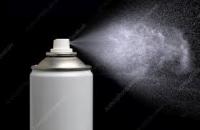
Walk into any hardware store and you'll find dozens of insecticide products. Bottles, cans, pumps, trigger sprays — the variety suggests that delivery method might actually matter. Most people grab whatever's convenient and hope for results. But here's the thing: the small component that controls how insecticide leaves its container — the Aerosol Valve — quietly determines whether your bug problem gets solved or just temporarily annoyed.
Think about it. You've got flying mosquitoes buzzing around your patio at dusk. Different problem entirely from the line of ants marching across your kitchen counter. Yet many people reach for the same spray and wonder why results vary so wildly. The valve doesn't care what the label promises — it delivers product based on its engineering, period.
Flying insects move fast and unpredictably. A mosquito doesn't pause politely while you aim. It zigs, zags, changes altitude, disappears behind your shoulder. For these aerial acrobats, you want a valve that throws a wide, fine cloud. Think shotgun versus rifle. The spray pattern needs to fill air space, creating a zone that intercepts insects as they move through it. Droplets should hang in the air long enough to do their job without drifting into your neighbor's yard or your own lungs.
But throw that same wide pattern at a cockroach problem and you're mostly decorating your baseboards. Roaches live in tight spaces — behind appliances, inside wall cracks, under sink cabinets. They don't spend time flying around waiting to encounter your mist cloud. These guys need direct hits in specific locations. A focused stream works better here. Larger droplets that can penetrate into crevices rather than floating around the general area.
Surface treatments add yet another wrinkle to this puzzle. Ever tried to treat a deck for fleas? You need even coverage across a large, flat area. Too fine and half your product blows away before settling. Too coarse and you get wet spots mixed with untreated patches. The valve controls this balance directly — there's no amount of careful aiming that fixes the wrong droplet size.
Temperature throws another curveball. That same valve behaves completely differently when the can's been sitting in a hot garage versus a cool basement. Some designs stay consistent across temperature swings. Others? Well, you might get a gentle puff in winter and an aggressive blast in summer. Not ideal when you're trying to treat delicate plants or indoor surfaces.
Here's where it gets tricky: compatibility between valve materials and insecticide chemistry. Some combinations work fine for months, then suddenly the valve clogs or the spray pattern changes. The active ingredients or carrier solvents slowly interact with internal components. Testing this takes time — longer than most people want to wait when there are bugs to kill now.
Professional applicators learned this lesson the hard way years ago. They need consistent performance across dozens of treatments per day, multiple environmental conditions, various target pests. Consumer products? The expectations are different, but the physics remain the same. A valve designed for weekend warriors won't necessarily hold up to intensive use, and vice versa.
User technique matters more than people admit. Some valves demand precise positioning and steady pressure to work properly. Others forgive sloppy handling and still deliver decent results. For most homeowners dealing with the occasional pest outbreak, forgiving beats precise every time. Save the finicky, high-performance options for situations where the extra control actually makes a difference.
Environmental considerations have quietly reshaped valve design over the past decade. Indoor overspray concerns, drift regulations, volatile organic compound limits — these aren't just bureaucratic hassles. They translate into real engineering constraints that affect how valves perform in practical applications. A valve optimized for minimal environmental impact might not be the one that kills bugs fastest.
The relationship between valve choice and pest control effectiveness shows up in ways most people never connect. How often you need to reapply. Whether the treatment reaches where bugs actually live versus where you think they live. How much product you waste on ineffective coverage patterns. These aren't minor details — they determine whether your bug problem gets solved or just temporarily suppressed.
Professional pest management companies have figured out that valve selection deserves as much attention as active ingredient choice. Different pest species, different application environments, different user skill levels — they all require different approaches to product delivery. The same insecticide formula paired with different valve designs becomes essentially different products in terms of real-world performance.
For manufacturers wrestling with these decisions, the path forward involves matching valve characteristics to specific pest applications rather than hoping one design works for everything. The technical specifications and compatibility data needed to make informed choices are available through specialized suppliers who understand both sides of the equation. Resources covering valve options and application-specific considerations can be found at https://www.bluefirecans.com/product/ , where the engineering details are presented with enough depth to guide solid product development decisions without getting lost in unnecessary complexity.