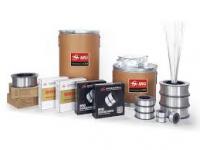
When searching for Aluminum TIG Wire Suppliers, one of the primary concerns is ensuring consistent welding quality. TIG (Tungsten Inert Gas) welding is widely used in industries where precision and durability are essential, such as aerospace, automotive, and marine applications. The role of the aluminum TIG wire supplier is critical, as the quality of the wire directly impacts the welding process and the integrity of the final joint. To guarantee stable welding quality, suppliers must meet a range of standards and provide products that are reliable under various conditions.
One of the key factors that contribute to stable welding quality is the composition of the aluminum TIG wire. A reliable supplier ensures that the wire is made with high-purity materials and adheres to specific alloy standards. For example, aluminum alloys such as 4043, 5356, or 2319 each have unique properties suited for different welding applications. The correct alloy ensures the proper balance of strength, corrosion resistance, and welding characteristics. Suppliers often use advanced techniques to control the wire's chemical composition, ensuring uniformity and consistency throughout the batch.
Another important factor in ensuring welding quality is the manufacturing process used by aluminum TIG wire suppliers. The wire must be drawn with precise dimensions and undergo thorough inspection to guarantee that it meets the required standards. Manufacturers typically perform tests to check for any defects such as cracks, surface irregularities, or inconsistent diameter. By maintaining strict quality control during production, suppliers can provide wire that feeds smoothly into the welding torch without causing arc instability or other performance issues.
The surface finish of the aluminum TIG wire is also crucial for stable welding performance. A high-quality wire must be free of contaminants such as oil, dirt, or oxide layers, which can interfere with the welding process and cause poor weld quality. Reliable suppliers implement cleaning and coating procedures to ensure that the wire is free from such contaminants. Some suppliers even use anti-oxidation coatings to protect the wire during storage and transport, ensuring that it remains in optimal condition until it is used.
Packaging plays a significant role in preserving the wire’s quality. Proper packaging protects the wire from environmental factors such as moisture, dust, or mechanical damage, all of which can negatively affect its performance. Aluminum TIG wire suppliers typically use moisture-resistant packaging, such as sealed plastic or moisture-absorbing packets, to prevent rust or corrosion during storage and shipment. The packaging also helps maintain the wire's uniformity, keeping it in pristine condition for its end-user.
The consistency of the wire is critical for ensuring smooth and stable welds. Aluminum TIG welding requires precise control over the arc and heat input, and any inconsistencies in the wire can lead to defects in the weld, such as porosity or weak joints. By sourcing wire from reputable suppliers who guarantee quality and consistency, welders can minimize these risks and achieve more reliable, durable welds.
Another important factor is the supplier’s ability to provide technical support and advice. A supplier that understands the intricacies of welding and is willing to assist in troubleshooting can help welders overcome challenges that may arise during the process. They may offer guidance on selecting the right wire for specific alloys or conditions, or suggest optimal welding parameters for different applications. This support ensures that the welding process remains stable and effective, ultimately improving the quality of the final product.
Moreover, aluminum TIG wire suppliers should comply with relevant industry standards and certifications. For example, wire that meets the standards set by the American Welding Society (AWS) or other recognized bodies ensures that the product meets stringent quality and performance benchmarks. Reliable suppliers will often provide certification documents or test reports, allowing customers to verify the wire’s compliance with industry standards before use.
Finally, it’s essential to consider the supplier’s reputation and customer feedback. Satisfied customers are a good indicator of consistent product quality. Online reviews, testimonials, and case studies can provide valuable insights into the reliability of a supplier’s products and services. Choosing a supplier with a solid reputation for quality can help ensure that you consistently receive aluminum TIG wire that delivers stable and reliable performance.
In conclusion, Aluminum TIG Wire Suppliers play a significant role in ensuring stable welding quality. By providing high-quality materials, maintaining strict production controls, offering technical support, and adhering to industry standards, these suppliers help ensure that your welding projects proceed smoothly and deliver reliable, durable results. For more information about aluminum TIG welding wire and to find trusted suppliers, visit https://www.kunliwelding.com/.