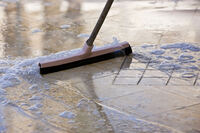
In the realm of home maintenance, cleaning limestone surfaces may not be on the top of everyone's to-do list. However, neglecting this important task can lead to a plethora of issues and costly repairs down the line. Limestone is a sedimentary rock commonly used in construction due to its durability and aesthetic appeal. Over time, though, it becomes susceptible to damage from various sources such as environmental pollutants, acidic substances, and even everyday wear and tear. Research conducted by experts in the field has shown that regular cleaning routines are crucial for preserving the integrity and longevity of limestone structures.
One compelling reason why maintaining clean limestone surfaces is essential lies in its vulnerability to environmental factors. As an outdoor material frequently exposed to natural elements like rainwater or UV rays from sunlight, limestone can develop unsightly stains or discoloration over time if not properly cared for. Additionally, research published by The International Journal of Environmental Science suggests that airborne pollutants such as sulfur dioxide contribute significantly to stone decay through chemical reactions with calcium carbonate present in limestone. By regularly cleaning these surfaces using appropriate methods and products designed specifically for limestone care, homeowners can mitigate these risks effectively.