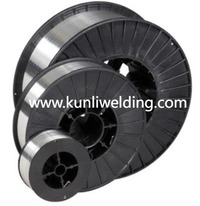
Choosing the right spool gun can change how smoothly aluminum welding runs in a shop, and many teams consult Aluminum Mig Wire Manufacturers when deciding which gun style will suit their reels and feeders. With electrification projects and lightweight vehicle programs driving demand for reliable aluminum joins, a practical step by step look at features, handling and integration helps fabricators avoid downtime and finish seams that meet quality expectations.
Start with match between gun and wire spool. A spool gun that aligns with the spool flange and winding pattern reduces bird nesting and feed faults. Shops that run both manual and automated stations often prefer a gun that feeds consistently through common liners and contact tips so operators do not waste time rethreading or adjusting tension mid seam. Confirm how the spool mounts, whether the gun body offers secure flange seating and how the wire path enters the drive assembly.
Consider the weight and ergonomics of the gun for hand work. Long seams and repetitive repairs stress operators, so a balanced gun that sits comfortably in hand reduces fatigue and supports steady travel speed. Travel speed consistency yields more uniform bead shape and less downstream dressing. Look for trigger feel and cable routing that let the welder hold a steady arc length without compensating for awkward geometry.
Cooling method matters for production pace. Air cooled guns can serve intermittent manual work while water assisted cooling suits long continuous runs in higher duty cycles. If your shop shifts from short repairs to multi panel assemblies on the same cell, select a gun whose cooling approach matches the expected run time. Consider the ease of swapping between cooling options when layouts change or mobile repair kits need to be compact.
Evaluate contact tip and liner compatibility. Aluminum wire tends to be soft and prone to flattening if drive roll pressure or tip geometry is wrong. A gun system that specifies compatible liners and drive rolls reduces wear and prevents feed slippage. Request supplier guidance on recommended liner inner diameter and on drive roll profiles for your chosen wire diameter so the initial setup minimizes trial and error.
Pay attention to cable length and feed path routing for automated cells. Shorter external paths reduce the number of bends and minimize friction. For robotic integrations or long gantry runs, a gun that accommodates a clean feed path and that mounts easily on the torch bracket reduces the chance of intermittent feeding. Coordinate your integrator and the gun supplier early so flange dimensions and mounting points align with the automation hardware.
Serviceability and spare parts availability influence total uptime. Guns with modular consumables and easily replaceable liners and tips save shop time when wear occurs. Ask suppliers about spare part kits and typical wear items recommended for the workload you plan. Having a small inventory of essential parts at each cell prevents long stops while waiting for replacements.
Test spool presentation with a short trial. Ask for a sealed sample reel from the same winding batch you will buy and run a representative seam using your gun, feeder and contact tip. Observe feed behavior, bead shape and any change in spool performance after a few meters. Trial runs on actual joints reveal whether a gun-spool combination requires different drive settings or a liner swap to perform reliably.
Think about field repair needs. If your teams must work on vehicles or on site, choose a gun and spool pairing that fits mobile kits and that tolerates variable conditions. Compact spool guns that come with protective covers for reels and clear handling notes let technicians perform repairs with predictable feed behavior even in less sheltered environments.
Supplier support and guidance reduce qualification time. When aluminum MIG wire producers and gun manufacturers provide recommended drive roll geometry liner sizes and short setup checklists, shops move from trial to production faster. Ask for concise operator notes that show arrival checks, short run off routines and a simple parameter window so any operator can reproduce the settings used in a validated seam.
Finally, document the validated settings and retain a sample length from the trial spool. Tag the gun, feeder and parameter set in your quality records so future lots or new operators reproduce the same outcome. Traceability between spool lot, gun type and parameter log shortens troubleshooting if a seam later shows anomalies. For practical guidance on spool compatibility, winding practice and product options that support both shop and field work consult the product pages and handling notes at https://www.kunliwelding.com/product/aluminum-alloy-wire/aluminum-alloy-welding-wire.html .