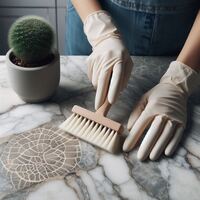
The Tikko Products blog offers a comprehensive guide on cleaning limestone, emphasizing its necessity for preserving the stone's aesthetic appeal and structural integrity. Limestone, a durable yet porous material, requires careful handling to prevent damage from stains, scratches, and acidic substances. The cleaning process starts with dusting and removing loose dirt using a soft cloth or non-spinning vacuum attachment to avoid scratches. For routine cleaning, a mild soap solution or a limestone-specific cleaner is recommended. Acidic or abrasive cleaners must be avoided to prevent etching and surface damage.
A gentle scrub with a non-abrasive sponge ensures thorough cleaning without harming the stone. For stubborn stains like oil, wine, or rust, specialized stain removers or homemade poultices made from flour and hydrogen peroxide are effective. These mixtures are applied to the stain, allowed to dry, and then removed, drawing out the impurities. After stain removal, the surface should be rinsed thoroughly to avoid soap residue, which can dull the stone's appearance and attract dirt.
Sealing limestone post-cleaning is crucial to protect it from future stains and damage. A high-quality, pH-neutral sealant should be applied evenly and allowed to cure, forming a protective barrier. Regular maintenance, including prompt spill cleanup and periodic reapplication of the sealant, ensures limestone surfaces remain pristine and durable